


The Art of Stone Craftsmanship: Exploring India's Marble Statues and More
- Mar 16
- 3 min read
India has a rich tradition of stone craftsmanship that dates back thousands of years. The country's artisans have mastered the art of carving marble and sandstone into stunning statues and architectural elements. This skill combines artistic vision with technical expertise, creating pieces that are both beautiful and durable. Today, Indian stone craftsmanship continues to thrive, blending traditional techniques with modern demands.
The Legacy of Marble Statues in India
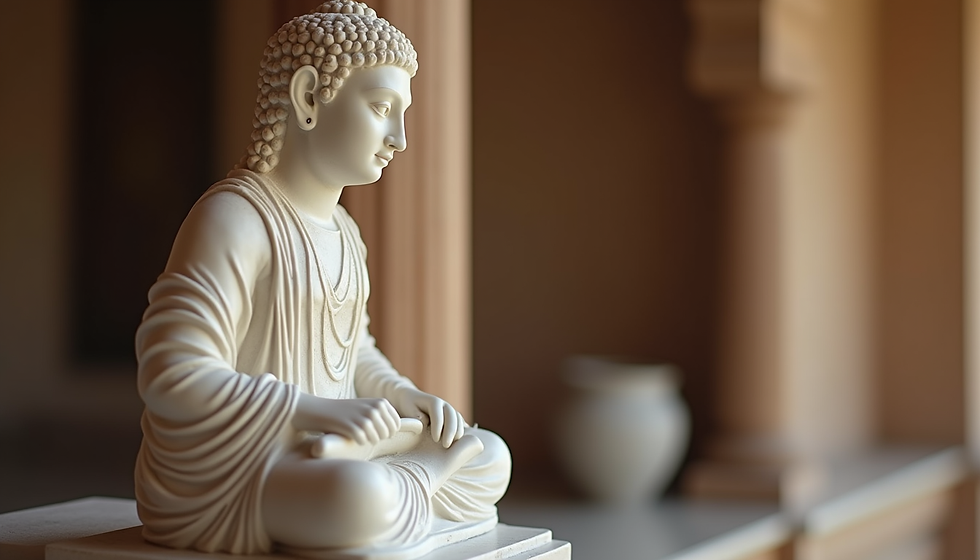
Marble statues hold a special place in Indian culture. They are often used in temples, homes, and public spaces to represent deities, historical figures, and cultural symbols. The use of marble, especially from regions like Makrana, is prized for its pure white color and fine grain, which allows for intricate detailing.
One popular example is the marble murti for mandir, which refers to marble idols crafted specifically for temples. These statues are carved with great care to reflect religious significance and artistic beauty. The smooth finish and delicate features of these murtis make them ideal for worship and decoration.
Hand Carving: A Skill Passed Through Generations
The process of creating a hand carved marble statue India is labor-intensive and requires years of training. Artisans use chisels, hammers, and other hand tools to shape the marble block into the desired form. Each detail, from facial expressions to clothing folds, is carefully sculpted to bring the statue to life.
This craftsmanship is not just about aesthetics; it also involves understanding the stone’s properties. Marble can be brittle, so artisans must work patiently to avoid cracks or breaks. The result is a piece that combines strength with elegance.
Regional Specialties: Makrana Marble and Sandstone
Makrana marble is one of the most famous types of marble in India. It has been used in iconic structures like the Taj Mahal. Today, the makrana marble statue manufacturer continues this legacy by producing statues that showcase the marble’s natural beauty and durability.
Besides marble, sandstone is another popular material in Indian stone craftsmanship. It is often used for architectural elements such as wall panels and cladding. The sandstone wall cladding adds texture and warmth to buildings, blending traditional aesthetics with modern design.
Religious and Cultural Significance
Stone statues in India are deeply connected to religious and cultural practices. For example, the hanuman marble statue manufacturer creates statues of Lord Hanuman, a revered deity in Hinduism known for strength and devotion. These statues are commonly placed in temples and homes to inspire faith and protection.
Similarly, decorative elements like the ganesh wall panel are crafted to honor Lord Ganesha, the remover of obstacles. These panels serve both spiritual and decorative purposes, often installed in prayer rooms or entranceways.
Modern Applications and Trends
While traditional stone craftsmanship remains strong, there is growing interest in using marble and sandstone in contemporary settings. Architects and interior designers incorporate these materials to add elegance and cultural depth to homes, offices, and public spaces.
Custom stonework, including statues and wall panels, can be tailored to fit modern tastes while preserving traditional techniques. This fusion creates unique pieces that appeal to a wide audience, from collectors to spiritual practitioners.
Choosing the Right Stone Craftsmanship Provider
When selecting stone statues or architectural elements, quality and authenticity matter. Working with experienced manufacturers ensures that the craftsmanship meets high standards. For example, companies specializing in hand carved marble statue India or makrana marble statue manufacturer offer products that reflect genuine artistry and durability.
Look for providers who use natural stone and skilled artisans to create pieces that will last for generations. This approach supports traditional crafts and guarantees a beautiful, meaningful addition to any space.
Care and Maintenance of Marble and Sandstone
Marble and sandstone require proper care to maintain their appearance. Marble is sensitive to acidic substances and can stain easily, so cleaning with mild soap and water is recommended. Sandstone, being more porous, may need sealing to protect against moisture and dirt.
Regular dusting and gentle cleaning help preserve the intricate details of statues and wall cladding. Proper maintenance ensures that these works of art continue to enhance their surroundings over time.


Comments